The Ultimate Plein Air Kit Checklist for UK Weather
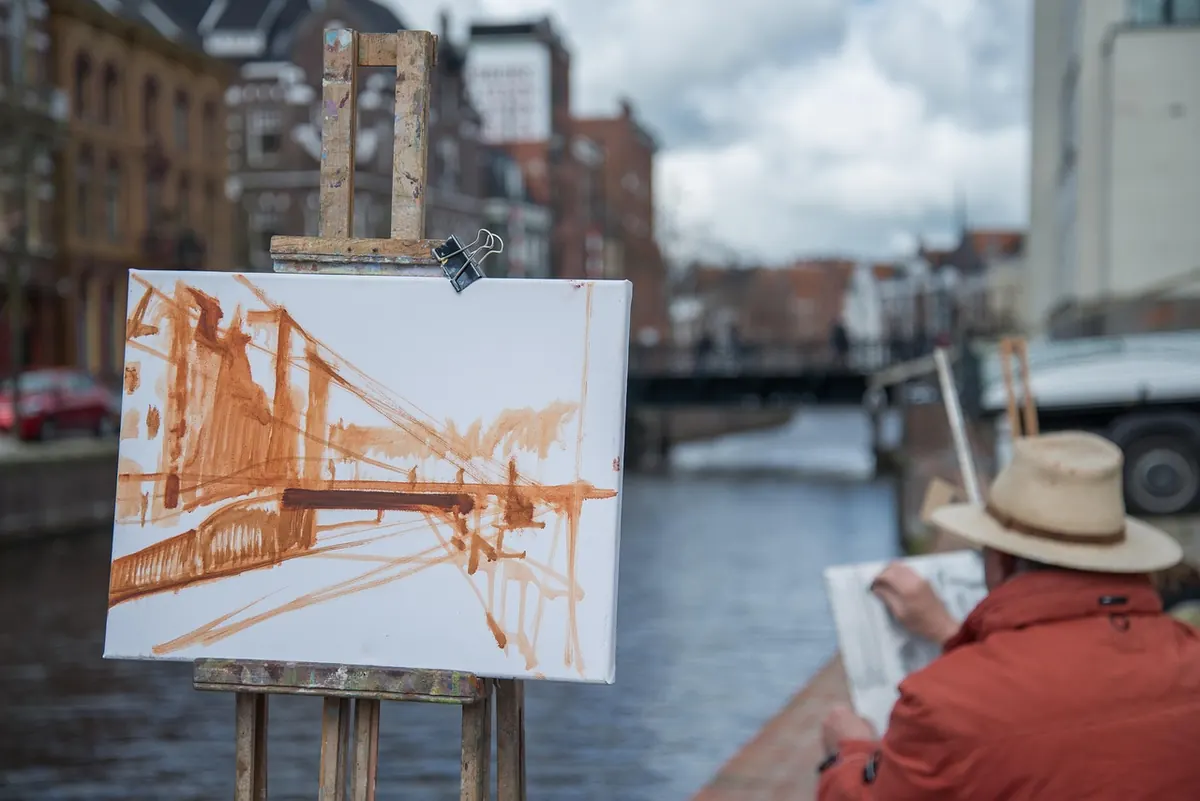
British weather does not keep appointments. You can leave the house under a clean blue sky, set up beside a canal or a churchyard wall, and find yourself working under a grey lid twenty minutes later. The drawing is the easy part. The real skill is having a kit that copes with a shower, a gust and a sudden drop in temperature without turning the afternoon into an exercise in repacking. Everything below is light, replaceable and cheap enough that you won't fuss over it. Print the checklist, tick it off, and keep it folded in the front of your sketchbook.
Start With the Bag, Then the Drawing Kit
A 20–25 litre rucksack is the sweet spot for a few hours out. Look for a rain cover, one main compartment, and an outer pocket that can take wet or muddy items without soaking everything else. Shoulder bags are fine for town sketching, but after an hour on a hillside you will feel every strap.
Keep the drawing kit deliberately small. The temptation is to pack for every possible subject; in practice you will use three things and carry the rest up a hill for nothing.
- Hardback A5 or A4 sketchbook with an elastic closure, so the pages don't flap in wind
- A small pan set of watercolours — pans travel better than tubes
- One water brush and one or two ordinary brushes for larger washes
- Pencils: HB, 2B and 4B is plenty; add a waterproof fineliner for line work that survives a damp page
- Kneadable eraser, a small sharpener with a shavings catcher, and a rag
- Collapsible water jar with a lid
Waterproof ink matters more than you might think. If you are working in drizzle, a water-soluble pen will bleed into your washes in a way you did not plan for.
Paper Protection: The Part Most People Skip
Damp paper cockles, and once a sheet has rippled it never quite settles. Loose sheets should travel in a clear popper wallet rather than loose in the bag. Tape or clip one sheet at a time to a piece of correx or foam board cut to size — corrugated plastic from an art shop costs very little and weighs almost nothing.
Two bulldog clips and a short roll of masking tape will hold a page down when the wind picks up. When you finish a drawing, don't slide it straight back into the book. Sandwich it between sheets of blotting paper or kitchen roll, then into a large zip bag. Alternatively, take a rigid plastic case and keep finished work flat inside it.
Working in light rain
Angle the board away from the wind and use your body as a shield. Sit with your back to a wall, a tree or a phone box. If the shower is heavy, stop drawing and wait — a five-minute pause costs nothing, whereas a soaked sketchbook costs a tenner and a week of irritation.
Waterproof Layers for the Person Holding the Pencil
This is the difference between a two-hour session and a twenty-minute one. Plein air sketching means standing or sitting still, and a static body cools fast. Dress in layers: a synthetic or merino base layer, a fleece, then a waterproof shell with taped seams and a hood that stays up in wind. Cheap overtrousers fold small and are worth carrying even in July.
Wear a brimmed hat with a cord, and boots you trust on wet grass and slippery stone. Take a spare pair of socks in a zip bag. Cold, wet feet end sketching trips early.
Hands are the real problem
Cold fingers ruin line quality, and the UK is generous with cold fingers. Merino liner gloves under fingerless mitts with a folding flap work well: flip the mitten back to draw, close it to warm up. Rechargeable hand warmers are genuinely useful in winter. So is a flask — a hot drink every half hour keeps you out for longer than any gadget.
Shelter, Seating and Somewhere to Rest Your Board
You need a surface. A folded sit mat weighs almost nothing and saves your legs on cold stone. A lightweight folding stool or a shooting stick suits longer sessions. In towns, use what's there: benches, low walls, church porches, market arcades, bus shelters. Cafés and libraries are fair game if you buy something and keep your kit tidy.
A compact umbrella helps, but wind is its enemy. On a gusty day, find a doorway instead of fighting with it. Coastal sketching demands a tide check before you settle anywhere below the high-water line, and it is worth telling someone where you are going if you're heading somewhere remote, because upland mobile signal is patchy at best.
Cleanup and the Journey Home
This is the part that keeps your kit usable and your sketching spots open to you. Don't rinse brushes in a stream, river or loch — pigment and soap don't belong in them. Carry a lidded jar for clean water and a spare bottle for dirty water, then empty both at home.
- Microfibre cloth and kitchen roll for drying brushes and mopping spills
- A ziplock bag for wet brushes — never seal a damp brush in a case, it will mould
- Hand wipes, taken home with you rather than left behind
- A dry bag or bin bag for wet jackets and muddy boots
Wipe your palettes down before they go back in the bag. Dried paint is easy to remove; a leaking water jar over a sketchbook is not.
The Printable Checklist
Copy this into a notes app or print it and tick the boxes before you leave.
Carry
- 20–25 litre rucksack with rain cover
- Correx or foam board cut to size
- Two bulldog clips, small roll of masking tape
- Folded sit mat, folding stool if you're staying put
- Flask, water bottle, snack
Draw
- Hardback sketchbook with elastic closure
- Loose paper in a clear popper wallet
- Pan watercolours, water brush, two brushes
- HB, 2B and 4B pencils, waterproof fineliner
- Blotting paper or kitchen roll
Protect
- Waterproof jacket with hood, overtrousers
- Brimmed hat, liner gloves, spare socks
- Large zip bag or rigid case for finished work
- Dry bag or bin bag for wet layers
- Insect repellent in summer, particularly near water in Scotland and the Lakes
Clean and tidy
- Lidded water jar plus a bottle for dirty water
- Microfibre cloth and hand wipes
- Bag for your own rubbish — take it all home
Two Habits Worth Keeping
Check the forecast the night before and again in the morning, and treat it as a rough guide rather than a promise. Then work small and work quickly: a quick A5 study you finish beats an ambitious A3 you abandon because the rain arrived. Leave every spot exactly as you found it, and the next sketching trip will be easier than the last.
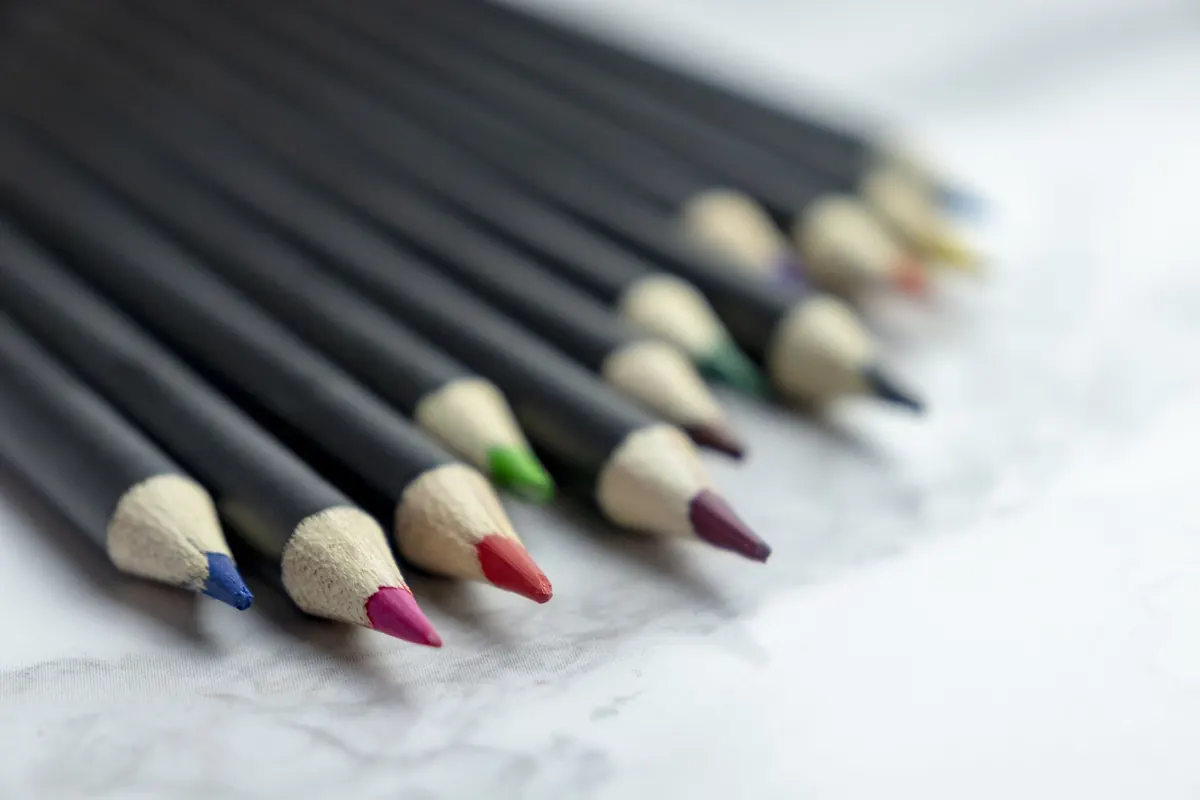
Photo: ClickerHappy / Pixabay
You Might Also Like
A 30-day drawing challenge using household objects, with a week-by-week list, plus practical tips on observation, line confidence and shading habits.
Artist's block is rarely about missing supplies. Five free drawing exercises — timed studies, blind contours, master copies and more — to get your hand moving again.